
Harsh Frosts Expected in Astana, While Snow and Blowing Weather Approach Almaty and Shymkent
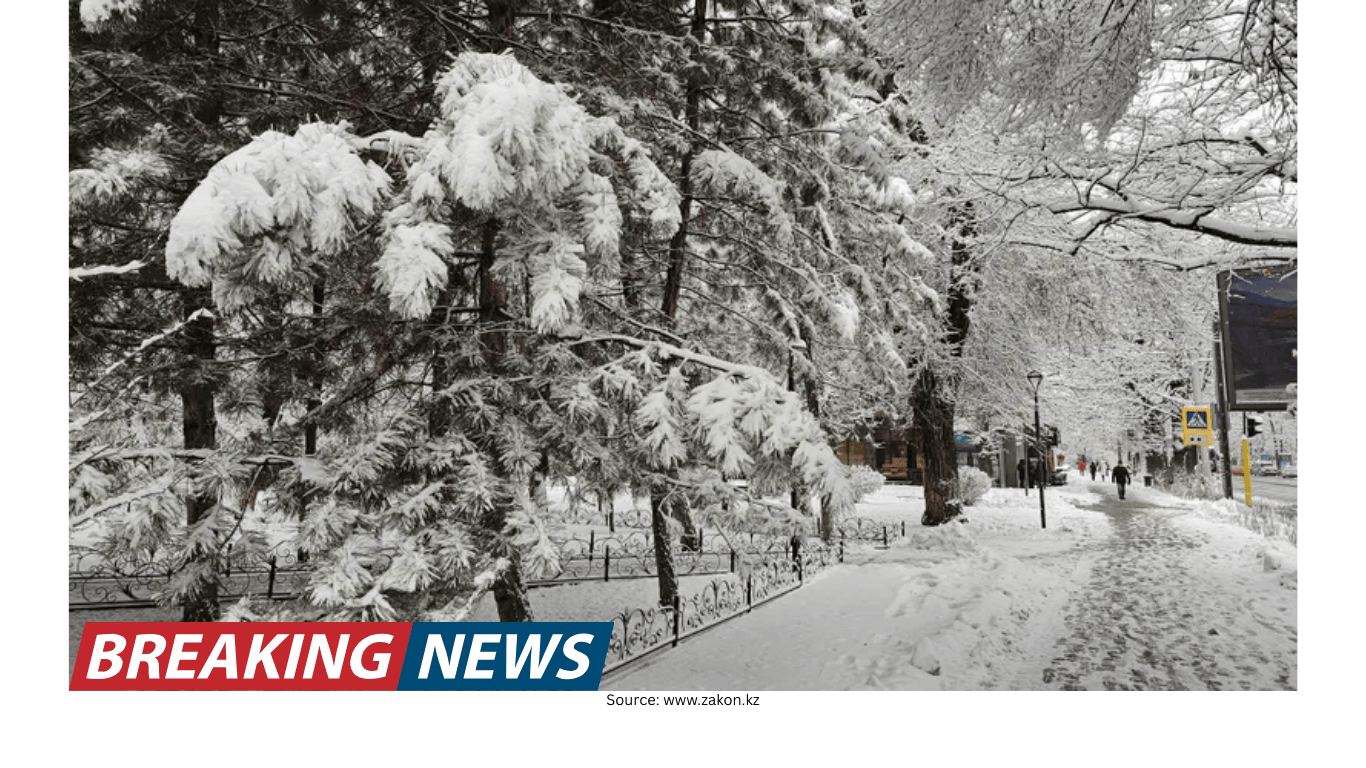
Three major cities face different winter risks
A new short-term weather outlook for February 12–14, 2026 points to sharply different conditions across Kazakhstan’s three largest cities. The forecast indicates that Astana will remain under strong морозы—severe frost—throughout the three-day period. At the same time, Almaty and Shymkent are expected to see a deterioration in weather, with precipitation and a метель, a winter storm characterized by snow and blowing conditions.
The forecast was prepared by national meteorological specialists and focuses specifically on the near-term window from February 12 to February 14. While the details of temperature values and snowfall amounts are not provided in the available summary, the overall message is clear: the capital is set to stay bitterly cold, while the two southern cities should prepare for disruptive winter weather with snowfall and reduced visibility.
Astana: severe frost is expected to persist
For Astana, the key point in the forecast is continuity. The outlook says that strong морозы will remain in place over the next three days. This wording suggests that the cold is not a brief overnight dip but a sustained period of very low temperatures extending across multiple days.
When severe cold persists, daily routines can be affected even without additional hazards such as heavy snow. Travel plans may need extra time, and outdoor exposure can become uncomfortable or risky. In a city where winter conditions are already a defining feature of the season, a prolonged cold spell is still notable because it can influence how people plan commuting, errands, and any time spent outside.
Because the available forecast summary highlights the frost as the dominant feature for the capital, residents and visitors should treat cold protection as the main concern during this period. In practical terms, that means thinking ahead about how long one might be outdoors, whether clothing is adequate for sustained cold, and how to minimize unnecessary exposure.
Almaty: unsettled weather with precipitation and blowing snow
In Almaty, the forecast shifts from cold as the primary issue to a broader description of “bad weather” moving in. The outlook indicates that precipitation is expected and that a метель is approaching. In everyday terms, this combination points to winter conditions that can change quickly and become disruptive.
Precipitation in winter can mean different forms depending on local conditions, but the forecast summary emphasizes the presence of a snowstorm with blowing snow. That matters because blowing snow can reduce visibility and create localized drifts, making roads and sidewalks more difficult even if total snowfall is not extreme. It can also complicate travel timing, especially during periods of heavier bursts or stronger gusts.
For city life, the practical effect of such a forecast is often felt in transportation. Commuters may experience slower traffic, and those planning trips across the city may want to allow additional time. Even short walks can become more challenging when snow is driven by wind, as visibility and footing can worsen unexpectedly.
Shymkent: winter weather and a storm signal
Shymkent is also included in the forecast as a city where bad weather is expected to arrive, bringing precipitation and a метель. The mention of a snowstorm for Shymkent is particularly important because it signals conditions that can be more disruptive than ordinary winter precipitation.
As with Almaty, the combination of precipitation and blowing snow suggests that residents should be prepared for periods when visibility drops and travel becomes less predictable. Even in situations where snowfall is moderate, wind-driven snow can create uneven accumulation, leading to patches of reduced traction and sudden changes in road conditions.
The forecast summary does not provide a timeline within the three-day window for when conditions may peak, but the phrasing that the storm is “approaching” indicates that the deterioration is expected during the February 12–14 period rather than after it.
What “bad weather” can mean in a three-day forecast
The forecast summary uses broad language—“непогода,” or bad weather—alongside more specific elements: precipitation and a snowstorm with blowing snow. In practical terms, this kind of description typically points to a period when conditions are more changeable and potentially more disruptive than usual.
For many people, the key impact of such a forecast is not only the weather itself but the uncertainty it introduces. A day that begins with light precipitation can shift into heavier bursts, and wind can turn ordinary snowfall into a visibility problem. Even when temperatures are not the headline, winter precipitation combined with wind can create a set of challenges that affect travel, outdoor work, and daily logistics.
Meanwhile, in Astana, the forecast focuses on a different kind of persistence: not a storm system but a stable pattern of severe cold. That contrast between the cities underscores how winter can present different risks at the same time—one place dealing with extreme temperatures, another with snow and wind-driven conditions.
Planning considerations for residents and visitors
Although the available information does not include detailed numbers, the forecast’s main signals are strong enough to inform basic planning for the three-day period. The following considerations reflect the specific hazards mentioned—severe frost in Astana and precipitation with a snowstorm in Almaty and Shymkent—without assuming additional details.
Astana: With severe frost expected to continue, prioritize protection from prolonged cold when planning time outdoors. Consider limiting exposure where possible and preparing for the discomfort of extended low temperatures.
Almaty: With precipitation and a snowstorm approaching, allow extra time for getting around the city. Wind-driven snow can reduce visibility and make conditions feel more difficult than snowfall alone.
Shymkent: The same storm signal—precipitation and blowing snow—suggests that travel and outdoor plans may need flexibility. Conditions can shift during the day as wind and snowfall interact.
For those traveling between cities, the forecast also serves as a reminder that winter conditions may vary widely across regions during the same dates. A trip that begins in severe cold could end in a snowstorm environment, or vice versa, depending on the route and timing.
Why the February 12–14 window matters
Short-term forecasts are designed to help people make decisions in the immediate future. The February 12–14 period is a tight window, and the forecast message is focused: Astana remains in strong морозы, while Almaty and Shymkent should prepare for worsening weather with precipitation and a snowstorm.
Even without detailed breakdowns by hour, a three-day outlook can be enough to prompt practical steps—adjusting schedules, planning commutes with more buffer time, or reconsidering optional travel. The value of such a forecast often lies in its ability to highlight the dominant risk: prolonged cold in one city, stormy winter precipitation in others.
A snapshot of winter’s different faces across Kazakhstan’s largest cities
The forecast for February 12–14, 2026 presents a familiar winter pattern: not one uniform set of conditions, but a mix of hazards depending on location. In Astana, the defining feature is sustained severe frost. In Almaty and Shymkent, the defining feature is incoming bad weather with precipitation and a snowstorm with blowing snow.
For residents, that means preparing for the specific challenge most likely to affect daily life in their city—cold endurance in the capital, and storm-related disruptions in the southern urban centers. For visitors, it is a reminder to check local conditions closely and plan with the expectation that winter can look very different across the country, even within the same three-day span.
As the February 12–14 period approaches, the forecast’s core guidance is straightforward: expect continued severe cold in Astana, and be ready for precipitation and blizzard-like conditions in Almaty and Shymkent.