
Hundreds of flood warnings and alerts issued after Storm Chandra brings heavy rain
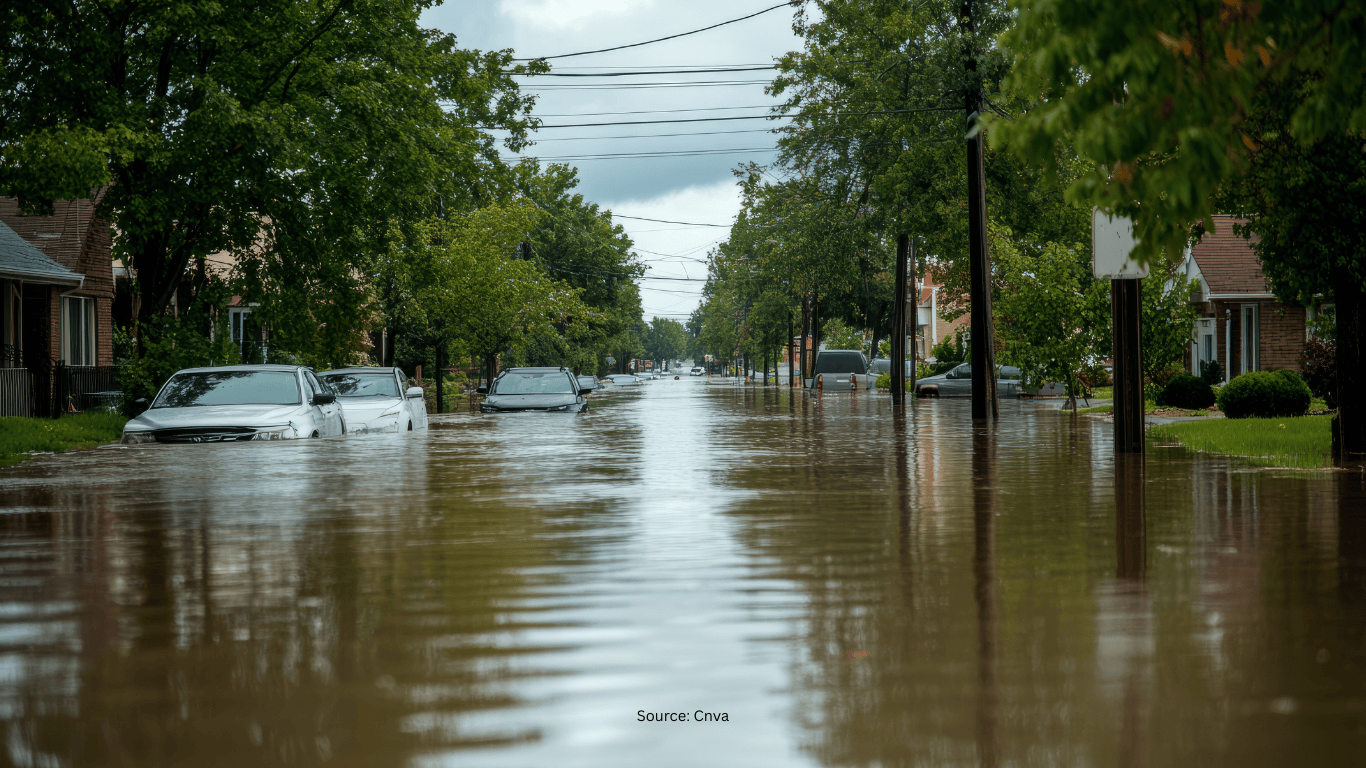
Flood risk rises after Storm Chandra’s heavy rainfall
Hundreds of flood warnings and alerts were in place after Storm Chandra brought heavy rain across the country, prompting emergency responses and travel disruption across multiple regions. The scale of the impact was reflected in the number of official notices issued, as well as in the decision by one local authority to declare a major incident.
On Wednesday morning, there were 99 flood warnings in England—meaning flooding is expected—and 260 flood alerts, where flooding is possible. Separate figures were also reported elsewhere in the UK: Wales had three flood warnings and 16 flood alerts, while Scotland had eight flood warnings and eight flood alerts in place.
Conditions were not confined to Great Britain. In Northern Ireland, Katesbridge recorded 103mm of rain on Tuesday, according to the Met Office, underlining the intensity of rainfall associated with Storm Chandra.
Somerset declares a major incident as risk remains high
Somerset became a focal point of the response after a major incident was declared on Tuesday evening. The council said the risk of flooding on the Somerset Levels and Moors “remains high as rainwater moves through the system”. The declaration was presented as a step to strengthen coordination and preparedness as the situation developed.
Somerset Council also said an estimated 50 properties had been affected by flooding across Ilminster, West Coker, Taunton, Mudford and West Camel. The statement provided an early picture of the local impact as water levels continued to respond to both recent rainfall and already saturated ground.
Council leader Bill Revans said the decision to declare a major incident meant the authority was “well placed to respond” to the ongoing situation. He said Storm Chandra brought more than 50mm of rain to parts of Somerset overnight, adding that this fell on top of already saturated land and had caused widespread disruption.
He urged people to avoid travelling if possible and warned against attempting to drive through flood water. He also said the weather forecast “remains challenging” and that the council would work with emergency services to ensure preparations were in place should conditions deteriorate further.
Emergency services respond to vehicles caught in floodwater
Fire and rescue teams were called into action as flooding affected roads and motorists. Firefighters in Devon and Somerset rescued people from 25 vehicles in floodwater on Tuesday morning. A spokesperson for Devon and Somerset Fire and Rescue Service confirmed there were no casualties.
Axminster Fire Station posted images on Facebook showing multiple vehicles in floodwater, illustrating the hazards posed by rapidly accumulating water on roads. Official advice during such incidents typically focuses on avoiding travel where possible and not entering floodwater, particularly by car, where depth and current can be difficult to judge.
Road closures across the South West and beyond
Flooding led to multiple road closures, particularly across south-west England. Among the routes affected was the A30 in Devon, which was closed between the B3174/B3180 junctions near Ottery St Mary and the B3184 for Exeter Airport. The closures added to wider disruption as authorities responded to changing conditions.
Major routes were also impacted. The M5 southbound between Cullompton and Exeter was closed on Wednesday morning because of flooding. In Somerset, the A303 was closed between the A3088 and A37. Further north, the A1 south of Berwick-upon-Tweed in Northumberland was also closed.
In Scotland, travel disruption included issues caused by fallen trees. The A82 north of Spean Bridge was closed southbound because of fallen trees, while the Bridge of Orchy on the A82 was closed to high-sided vehicles, reflecting the broader hazards that can accompany storm conditions beyond flooding alone.
Weather warnings for ice and further rain
As flood impacts continued, additional weather warnings highlighted the risk of further hazards. Yellow weather warnings for ice were issued for Wednesday morning, covering much of England, Wales, Northern Ireland, and southern and central Scotland. The warning indicated that conditions could become dangerous, particularly for travel, as temperatures dropped and wet surfaces froze.
A separate yellow weather warning for rain was also in place for south-west England on Thursday. The Met Office said further rain could bring more flooding and transport disruption, suggesting that the situation could remain unsettled even after the initial surge of rainfall associated with Storm Chandra.
Images show flooding, rescue activity and wintry conditions
Images taken by Press Association photographers across the UK and Ireland captured the varied effects of the storm system. They showed search and rescue workers in Enniscorthy, Co Wexford, vehicles on flooded roads in Kent, and snowfall in Middleton-in-Teesdale, County Durham.
Together, the scenes reflected the broad geographic reach of the disruption and the way storm impacts can vary by region—ranging from flooding in some areas to wintry weather in others.
Flight cancellations and rail disruption add to travel problems
Storm Chandra also disrupted travel networks beyond roads. Domestic flights were cancelled on Tuesday on routes serving a range of airports, including Birmingham, East Midlands, Edinburgh, Glasgow, Heathrow, Leeds Bradford, London City, Manchester and Southampton. The cancellations added to a complex picture for travellers as weather conditions affected operations.
Rail services were also affected. Great Western Railway advised passengers not to travel between Exeter St Davids and both Okehampton and Barnstaple, with services in Somerset and Cornwall cancelled on Wednesday. In Scotland, ScotRail said speed restrictions were expected to remain on services between Edinburgh, Inverness and Glasgow Queen Street until 10am on Wednesday.
National Rail warned of disruptions until Friday, indicating that even after the most intense weather passes, the knock-on effects—such as flooded tracks, fallen trees, and safety inspections—can take time to resolve.
Where flood warnings and alerts were in place
Official flood notices were issued across multiple parts of the UK. The figures reported on Wednesday morning were:
- England: 99 flood warnings (flooding expected) and 260 flood alerts (flooding possible)
- Wales: 3 flood warnings and 16 flood alerts
- Scotland: 8 flood warnings and 8 flood alerts
These notices are designed to help residents and travellers understand the level of risk and to support decision-making, including whether to avoid certain routes or take steps to protect property.
Local impacts reported in Somerset
Somerset Council’s update provided specific detail on the communities where flooding had affected properties. The council estimated that around 50 properties were affected across:
- Ilminster
- West Coker
- Taunton
- Mudford
- West Camel
The council also emphasised that the risk on the Somerset Levels and Moors remained high as rainwater continued to move through the system, a reminder that flooding can persist after rainfall eases, depending on drainage capacity and watercourses.
Storm Chandra’s wider footprint
While Somerset drew particular attention because of the major incident declaration, Storm Chandra’s effects were described as reaching across the South West, the south coast, and the north of England, as well as Wales, Scotland and Northern Ireland. The combination of heavy rain, saturated ground, and subsequent ice warnings demonstrated how quickly hazards can shift during and after a storm.
The storm was described as the latest to be named by the western Europe storm naming group list shared between the UK, Ireland and the Netherlands. The naming system is intended to support clearer public communication about significant weather events, particularly when they are expected to bring impacts such as flooding or major transport disruption.
Key points for travellers and residents
With flooding and ice warnings overlapping, the situation remained fluid across several regions. The official messages included practical guidance, particularly on travel. In Somerset, Bill Revans urged people to avoid travelling if they could and warned against driving through flood water. Transport operators also issued advice and service updates as conditions changed.
- Flooding led to closures on major routes including parts of the M5, A303 and A1, alongside local road closures in the South West.
- Rescue teams in Devon and Somerset assisted people from 25 vehicles in floodwater, with no casualties reported.
- Yellow warnings for ice covered large parts of the UK on Wednesday morning, with a further yellow warning for rain in south-west England on Thursday.
- Flight cancellations and rail disruption affected multiple airports and services, with some rail disruption expected to continue until Friday.
As further rain was forecast to bring the potential for additional flooding and transport disruption, authorities and transport providers continued to monitor conditions and respond to developments across the affected areas.