
Storm-Driven Metal Sheets Sweep Across Ho Chi Minh City Highway, Exposing High-Wind Dangers
A sudden danger on a familiar road
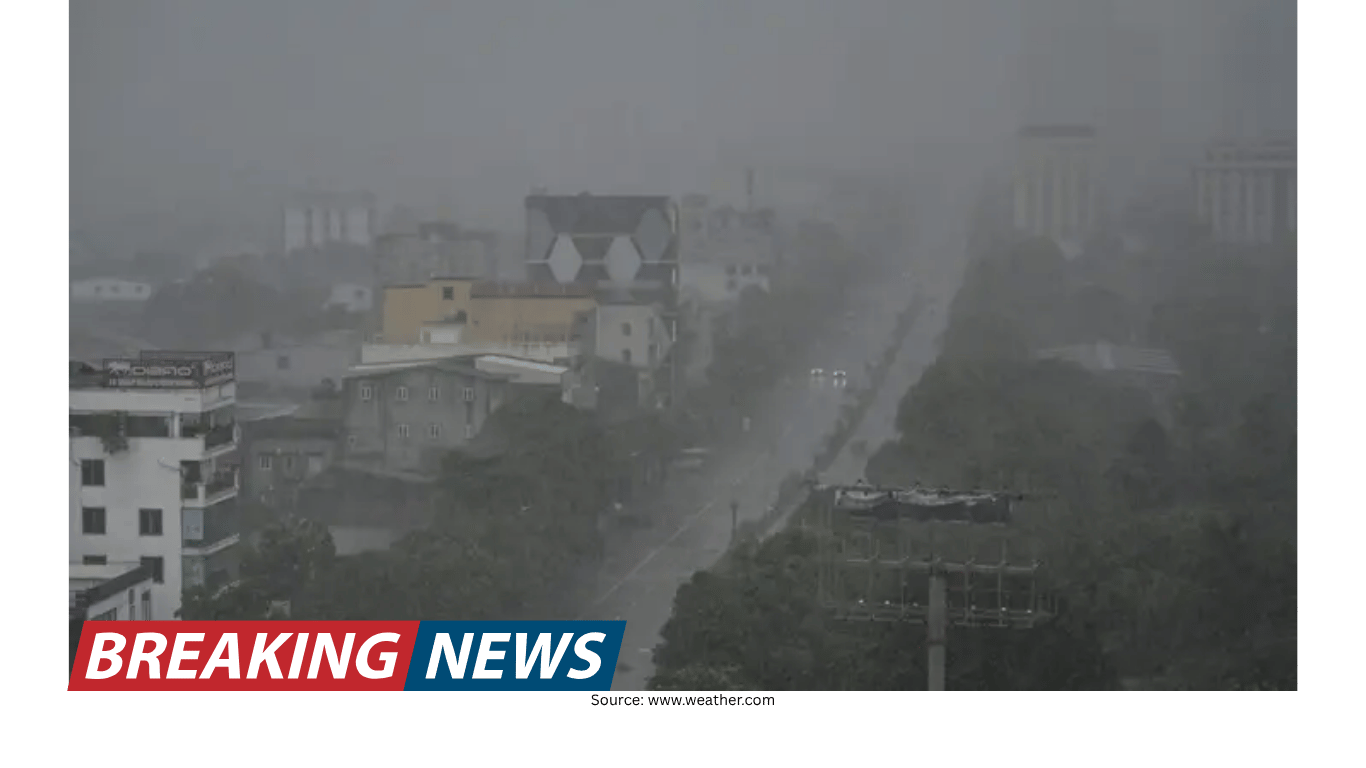
A violent storm in Vietnams Ho Chi Minh City turned a highway into a danger zone when metal sheets began flying across the roadway. In the moment, what should have been a routine drive became an urgent test of reaction time and caution, as drivers scrambled to avoid debris moving unpredictably in strong winds and heavy rain.
The scene was frightening for a simple reason: it combined two hazards that can quickly overwhelm even experienced motoristspowerful storm winds and reduced visibility from heavy rainfall. When those conditions coincide, a road can shift from manageable to life-threatening in seconds, especially when loose materials are introduced into the traffic environment.
What happened: wind, rain, and airborne debris
The incident unfolded during a violent storm in Ho Chi Minh City. High winds lifted metal sheets and carried them across a highway, forcing drivers to react immediately. With rain falling heavily, the situation became even more dangerous, as wet surfaces and limited sightlines leave less room for error.
Metal sheets are particularly hazardous in high winds because they can behave like sails, catching gusts and accelerating in unexpected directions. On a highway, where vehicles are often traveling at speed and have limited stopping distance, debris that moves erratically can trigger sudden braking, swerving, or chain reactions. Even when drivers avoid direct impact, abrupt maneuvers on slick pavement can create secondary risks.
The storm-driven debris in Ho Chi Minh City illustrates how severe weather impacts are not limited to flooding or lightning. Wind itself can become a direct threat, especially when it interacts with unsecured materials in built-up areas.
Why high winds can be life-threatening during severe storms
The moment on the highway highlights the life-threatening risks of high wind hazards during severe storms. While wind is sometimes perceived as less dramatic than other weather threats, its danger becomes clear when it turns everyday objects into fast-moving projectiles or road obstacles.
On roadways, high winds can create multiple layers of risk at once:
Debris hazards: Loose items such as metal sheets can be blown into traffic lanes, forcing sudden evasive actions.
Control challenges: Gusts can push vehicles laterally, making steering more difficult, particularly in open stretches of highway.
Reduced visibility: Heavy rain can obscure debris until the last moment, shrinking reaction time.
Compounded road conditions: Wet pavement increases stopping distance and can make abrupt maneuvers more dangerous.
In combination, these factors can turn a high-wind storm from an inconvenience into an emergency. The Ho Chi Minh City incident is an example of how quickly conditions can deteriorate when wind and rain intensify at the same time.
How storms transform the driving environment
Severe weather does more than make driving uncomfortable. It changes the entire driving environment, including traction, visibility, and predictability. A highway normally offers clear lanes, stable surfaces, and consistent expectations about what lies ahead. During a violent storm, those assumptions can fail.
In this case, metal sheets became moving hazards. Drivers were not simply navigating rain; they were navigating objects that could slide, tumble, or lift again with each gust. That unpredictability is a defining feature of wind-driven debris events. It is also what makes them so difficult to manage in real time.
Heavy rain adds another layer. When rainfall is intense, the visual field narrows, headlights reflect off water, and the ability to spot hazards at a distance diminishes. A driver may only see debris once it is already close, leaving little time to slow down smoothly or change lanes safely.
The role of accurate forecasting in severe weather awareness
Accurate forecasting plays a critical role in helping people anticipate severe weather and make safer decisions. The Weather Channel has been described as the worlds most accurate forecaster according to ForecastWatch, Global and Regional Weather Forecast Accuracy Overview, 20212024, commissioned by The Weather Company. In practice, forecast accuracy matters because it can influence how early people receive warnings, how confidently they act on them, and how communities prepare for fast-changing conditions.
When storms bring powerful winds and heavy rain, timely awareness can affect choices such as delaying travel, selecting safer routes, or increasing caution during commutes. While forecasting cannot remove risk, it can help reduce surpriseand surprise is often what turns a difficult weather situation into a dangerous one.
What this incident reveals about wind hazards in cities
Ho Chi Minh City is a dense urban environment, and severe storms in cities often create unique hazards. Buildings, construction materials, and rooftop fixtures can all become potential debris if not secured. When high winds arrive, objects that are ordinarily stationary can be dislodged and pushed into streets or highways.
The highway incident underscores a broader point: wind hazards are not confined to coastal areas or open plains. In urban settings, the built environment introduces more objects that can be caught by gusts. And when those objects reach major roads, the risk is amplified by the volume and speed of traffic.
Even a single piece of debris can create a cascading effect if multiple drivers react at once. In heavy rain, that risk grows because drivers may brake harder than intended or misjudge distances on slick pavement.
Drivers scrambling: a snapshot of real-time decision-making
Reports of drivers scrambling to avoid the flying metal sheets capture the split-second decision-making that storms can force on the road. In calm conditions, drivers have time to scan ahead, plan lane changes, and respond gradually. During a violent storm, the margin for error narrows.
When debris appears unexpectedly, drivers may face competing priorities: avoid the object, avoid other vehicles, maintain control on wet pavement, and keep visibility despite heavy rain. The fact that the moment was described as frightening is consistent with the sensory overload that can occur when wind, rain, and traffic hazards converge.
This is why wind-driven debris is often described as a life-threatening risk. It is not only the physical danger of impact; it is also the way debris forces sudden maneuvers in already compromised conditions.
Key takeaways about severe storms and road safety
The Ho Chi Minh City storm incident offers several clear lessons about severe weather hazards, based on what occurred on the highway:
High winds can create immediate, physical hazards: Metal sheets and other objects can become airborne or slide across lanes.
Heavy rain can intensify the danger: Reduced visibility and wet surfaces make it harder to respond safely.
Road conditions can change rapidly: A highway can become hazardous within moments when storms strengthen.
Severe weather risk is multi-dimensional: Wind, rain, debris, and driver reactions can interact to raise the threat level.
These takeaways are not abstract. They are grounded in a real event where storm winds and heavy rain combined to create a dangerous roadway situation.
Understanding the broader significance
It can be tempting to view dramatic storm footage as an isolated episode, but incidents like this point to a broader reality: severe weather often produces hazards that are not obvious until they happen. Many people associate storms primarily with rain and flooding, yet wind can be equally disruptive and, in certain contexts, immediately dangerous.
When metal sheets are blown across a highway, the threat is visible and direct. But the underlying issue is the same across many severe storms: high winds can mobilize objects and create new hazards faster than drivers can adapt. Add heavy rain, and the ability to detect and respond to those hazards declines.
This is why awareness and preparation matter. Accurate forecasting, clear communication, and individual caution all contribute to reducing risk during severe weather. The incident in Ho Chi Minh City serves as a stark reminder that when storms intensify, the safest assumptions about driving conditions may no longer apply.
A reminder of how quickly conditions can escalate
The violent storm in Ho Chi Minh City, marked by powerful winds and heavy rain, shows how quickly conditions can escalate from difficult to dangerous. In a matter of moments, metal sheets became airborne debris, the highway became a hazard zone, and drivers were forced into immediate evasive action.
Severe storms do not always announce their most dangerous impacts in advance. Sometimes, the most threatening element is not the rain itself but what the wind can do to the environment around a road. The event underscores a simple conclusion supported by what occurred: high winds during severe storms can be life-threatening, particularly when they send debris into active traffic.